TMJ and jaw pain
Restore easier jaw movement from a whole-body perspective.
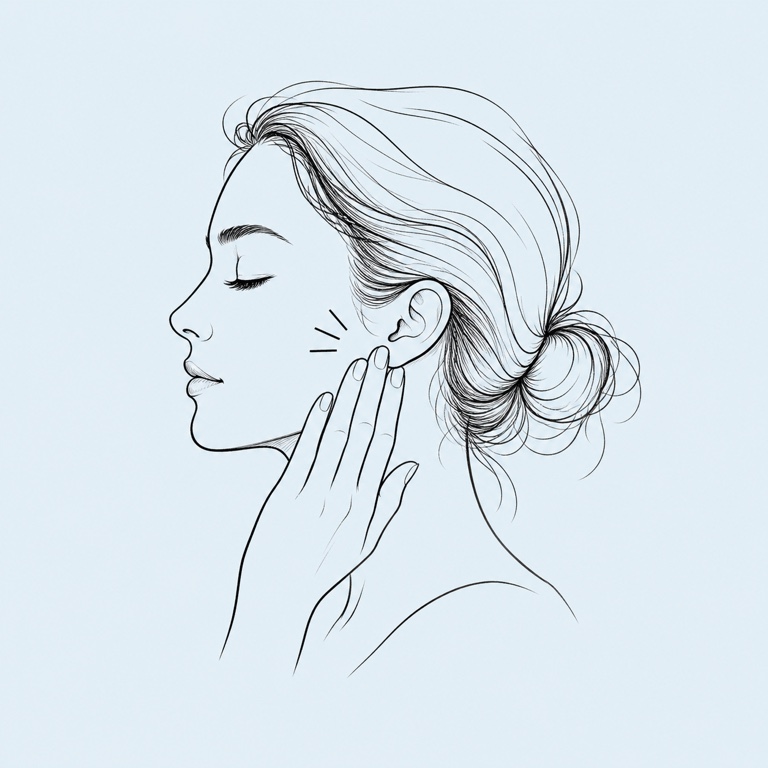
Jaw pain and clicking can relate to the TMJ, clenching, posture, the neck and upper back, breathing, stress, or movement habits. Physical therapy assesses those connections together.
- Private one-on-one visits
- Personalized whole-body care
- Comfort and consent first
Understand the concern
What may be happening.
The temporomandibular joint connects the jaw to the skull. Irritation or reduced coordination can make chewing, speaking, yawning, and opening uncomfortable. Jaw mechanics interact with the neck, shoulders, thoracic spine, breathing, posture, and stress response.
This page is educational and cannot diagnose a condition. Symptoms that are new, severe, changing, or medically concerning should be discussed with an appropriate healthcare professional.
Common signs and concerns
- Pain or tenderness around the jaw or face
- Clicking, popping, catching, or locking
- Difficulty opening, chewing, or yawning
- Headaches, earache-like symptoms, or ringing
- Neck tension, clenching, or grinding
The whole-body view
Factors that may contribute or overlap
- 01
Trauma, joint irritation, arthritis, bite, or wear
- 02
Clenching, grinding, and stress-related tension
- 03
Neck, shoulder, thoracic, posture, and breathing patterns
Personalized physical therapy
How care may help.
Treatment follows the assessment. It is adjusted to your symptoms, medical guidance, preferences, and pace rather than a generic exercise list.
- 01
Restore motion
Use gentle jaw, neck, and upper-back mobility based on movement quality.
- 02
Reduce muscle load
Apply manual therapy, relaxation, breathing, and posture strategies.
- 03
Build control
Practice low-load exercises and habits for chewing, speaking, work, sleep, and stress.
Your first visit
Start with a conversation, not assumptions.
Your first visit is a private, one-on-one conversation and assessment. We begin with your history, symptoms, routines, comfort, and goals, then explain what we notice and shape the plan with you. Nothing is performed without your understanding and consent.
Ask about your symptoms- Time to share your history and ask questions
- Movement, breathing, strength, and coordination assessment
- A clear plan shaped around your comfort and goals
Keep exploring
Related care and concerns.

A simple first step
Not sure what kind of care you need? Let's talk.
Use a free 15-minute consultation to share what is going on, ask questions, and find out whether Pelvic Elements is the right fit.